Health & Environment
Stanford Researchers Use AI to Design Functional Bacteriophage
The Conversation1h
THE BRIEF
1
Researchers at Stanford University successfully used artificial intelligence to design the DNA of a functional bacteriophage, demonstrating that AI can create viable viruses in a laboratory setting.
2
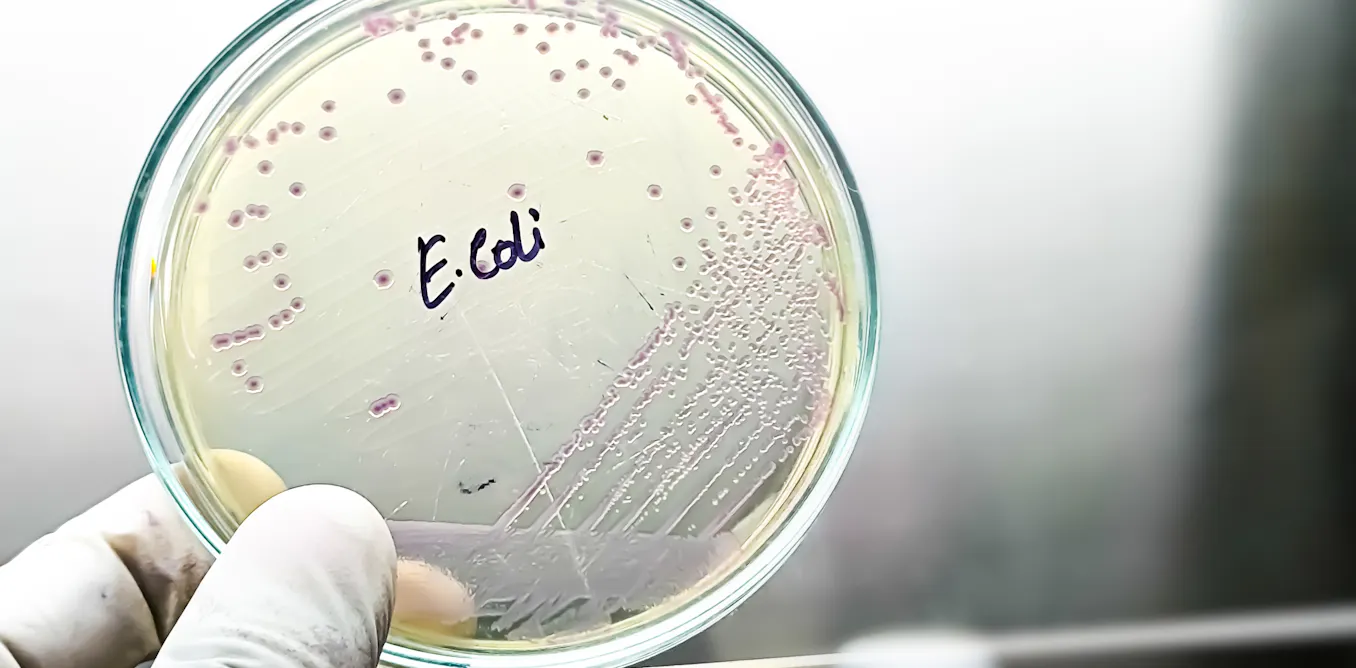
The study, published in the journal Science, utilized the ΦX174 phage that infects E. coli as a test case to prove the efficacy of AI-driven genomic design.
3
Scientists aim to leverage this technology to better understand how phages overcome bacterial defenses, potentially leading to new treatments for drug-resistant infections.