Health & Environment
Scientists Successfully Design Functional Synthetic Viruses Using AI
BBC1h
THE BRIEF
1
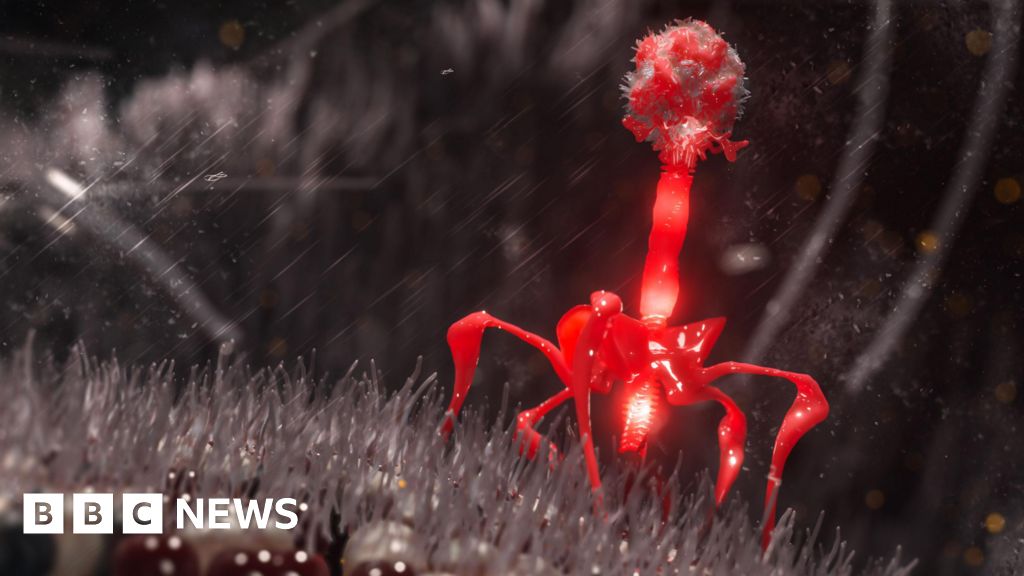
Stanford University researchers have used generative AI models, Evo1 and Evo2, to design 16 fully functional synthetic viruses capable of replicating in a laboratory setting.
2
The AI-created bacteriophages successfully killed E. coli bacteria in petri dish experiments, marking the first time whole genomes have been designed by artificial intelligence.
3
Experts from Johns Hopkins University warned that this breakthrough raises urgent biosafety concerns, as the same technology could potentially be misused to create harmful diseases.