Health & Environment
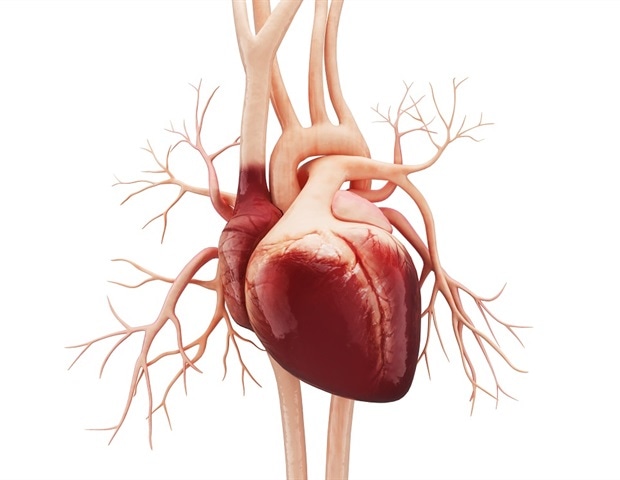
Genetic Variants Linked to Early-Onset Atrial Fibrillation Risk
News-Medical1h
THE BRIEF
1
A study published in Nature Communications reveals that rare genetic mutations and common DNA variants interact to significantly increase the risk of early-onset atrial fibrillation.
2
Analysis of the U.K. Biobank, involving over 500,000 participants, showed that individuals with a high burden of common genetic risk variants face approximately twice the risk of developing the condition.
3
Researchers identified that mutations in the LMNA gene alter DNA packaging, affecting heart cell electrical signals and providing a concrete example of how additive genetic risk influences heart health.