Health & Environment
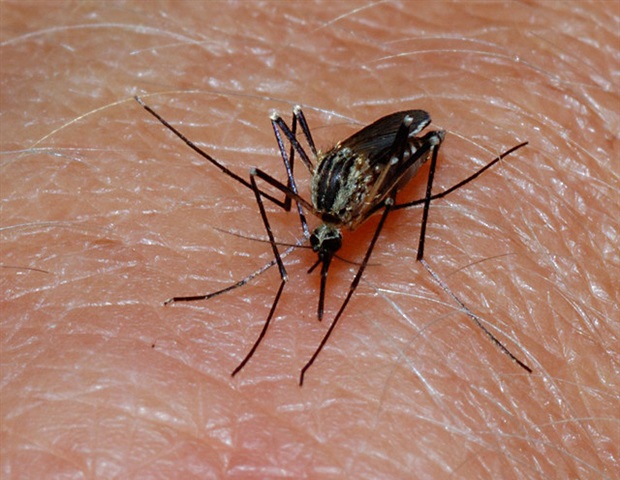
New Malaria Vaccination Strategy Uses Mosquito Bites as Boosters
News-Medical2h
THE BRIEF
1
Researchers at WEHI have developed a vaccination approach that uses mosquito bites to deliver malaria parasites alongside specific drug compounds to prime the immune system against infection.
2
The study, published in Science, used antimalarial drug candidates WM382 and MK-7602 to arrest parasite development at the liver stage, providing mice with protection for up to two years.
3
This method triggers a multi-layered immune response, including liver-resident memory T cells, potentially allowing for a 'vaccinate and boost naturally' strategy in malaria-endemic regions where the disease kills 600,000 people annually.