Health & Environment
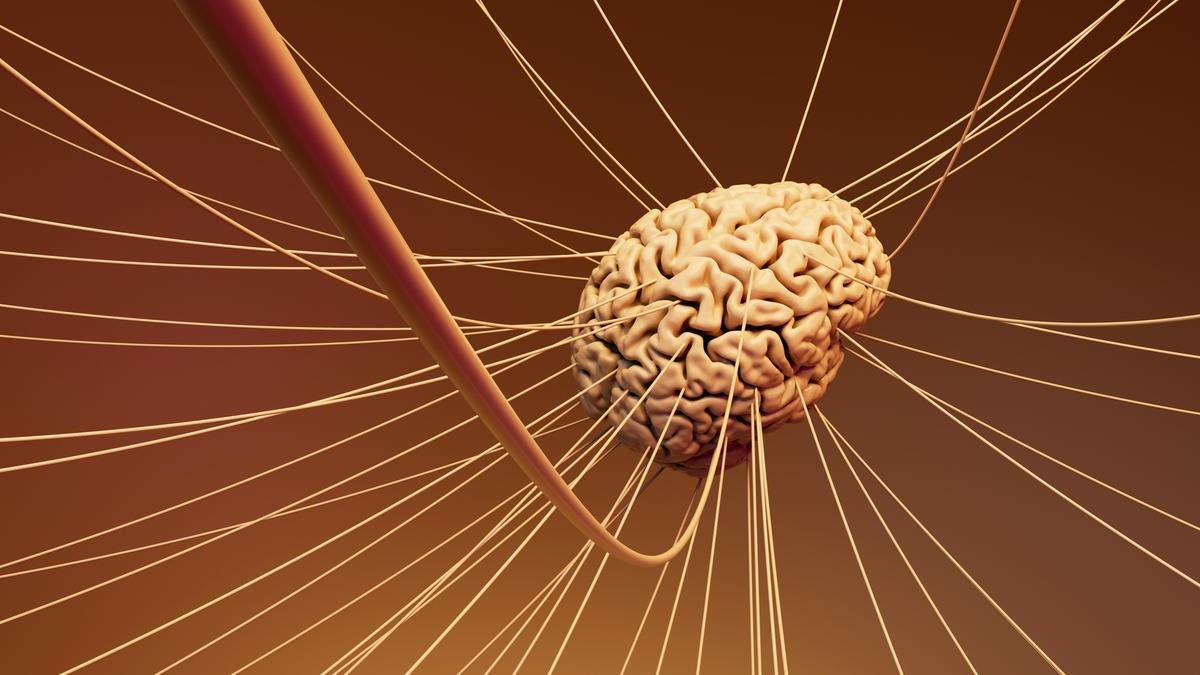
Study Maps Brain-Wide Activity Patterns That Trigger Emotional Responses
The Hindu41m
THE BRIEF
1
Researchers published a study in the journal Science mapping brain-wide activity patterns showing that emotional responses outlast the sensory triggers that spark them.
2
Scientists at Stanford University led by Karl Deisseroth subjected participants to eye puff assays using a tonometer to examine neural and behavioral responses to unpleasant stimuli.
3
Administering ketamine during the experiment caused the secondary slower brain response to dissipate faster, demonstrating that the drug separates initial reflexes from subjective emotional experiences.