Health & Environment
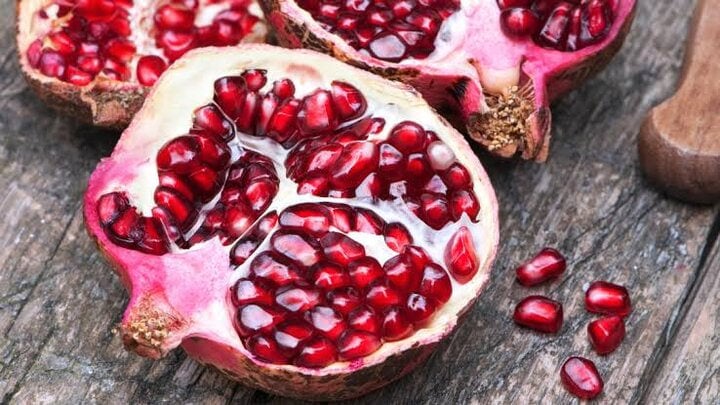
Pomegranate Compound Shows Promise in Improving Heart Function
ShiaWaves2h
THE BRIEF
1
A study led by Joseph Burguin of King’s College London found that urolithin A, a compound produced by gut bacteria from pomegranates and walnuts, improved heart function by up to 80% in experimental models.
2
The research focused on heart failure with preserved ejection fraction, where the heart muscle becomes stiff, and identified the compound's ability to affect the PKG1alpha protein to aid muscle relaxation.
3
Researchers cautioned that these findings do not prove that eating pomegranates is a treatment for human heart failure, emphasizing that further clinical trials are required to determine therapeutic potential.